
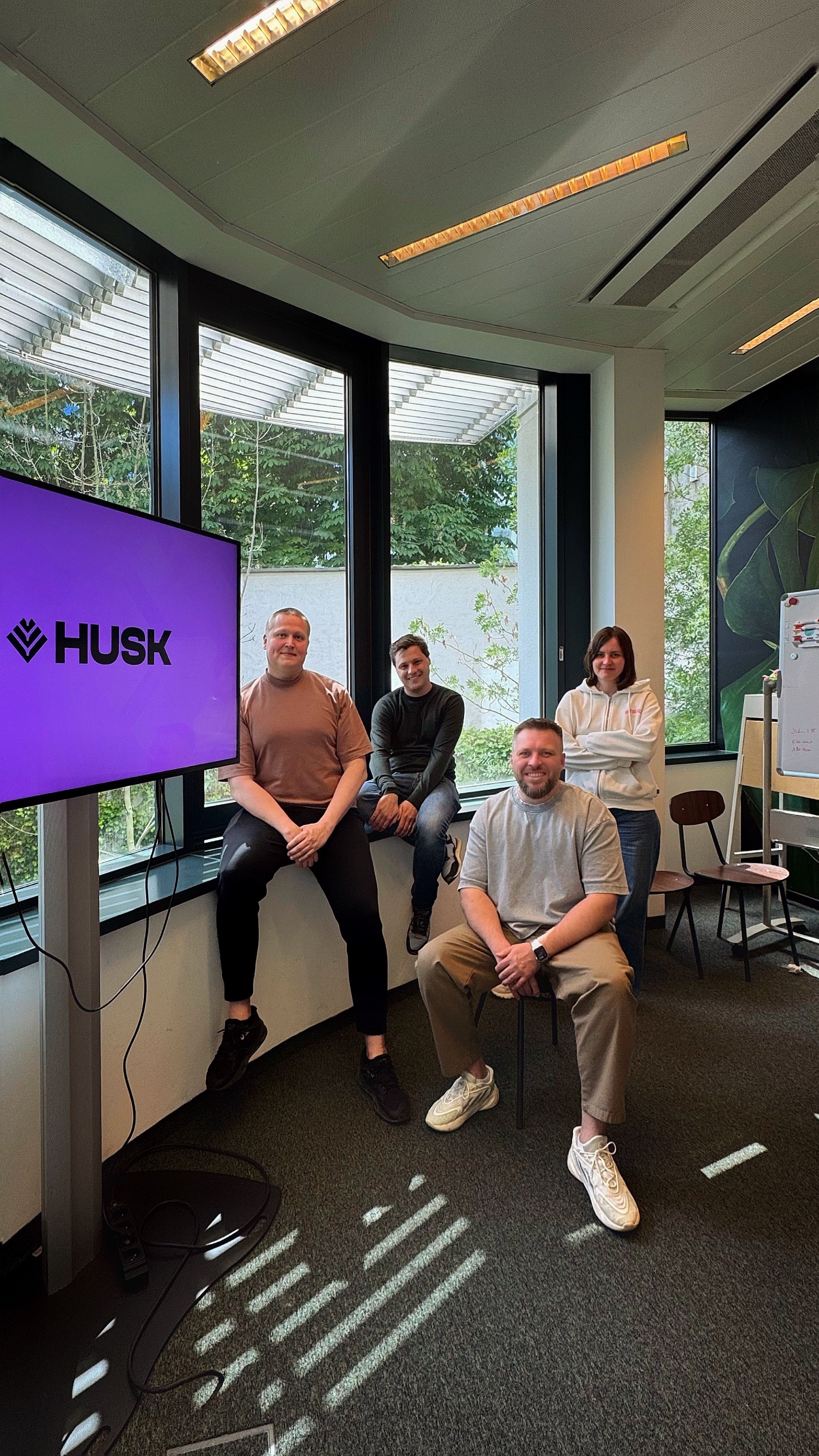


Husk has successfully closed a €1M pre-seed funding round. This significant milestone is a powerful validation of our mission: to build the simplest, yet most powerful financial platform for startups across Europe.
At Husk, we understand the unique challenges startups face. Traditional banks often fall short, providing limited tools and rigid solutions. We've experienced this firsthand. As a fast-growing company ourselves, we know the pain of needing more payment cards, faster approvals, and clearer spending insights – often unavailable from conventional financial institutions.
Why Traditional Finance Fails Startups
The reality is, banks aren't always set up for the rapid growth and dynamic needs of a startup. Limited financial history means fewer options. You might get one business card, but what happens when your team expands? How do you ensure your critical cloud providers are paid without a hitch? This is where the old model breaks down.
That's precisely why Husk exists. By leveraging strategic partnerships with Stripe and Mastercard, we go beyond basic banking to offer:
- Flexible Payment Solutions: Get the physical and virtual cards your growing team needs.
- Enhanced Liquidity: Benefit from a smoother repayment term, giving your cash flow more breathing room.
- Real-time Spending Control: Monitor your expenses as they happen and make immediate adjustments.
- Higher Payment Limits: Access the financial flexibility essential for scaling operations.
- Financial Insights: Understand your company’s financial health, always and everywhere.
We're giving startups the financial tools they need to optimize costs and manage growth, just like larger enterprises, but with the agility and simplicity a startup demands.
The Road Ahead: Scaling and Expansion
This €1M investment comes from a fantastic group of investors: Techstars, Birdhouse Ventures, NewSchool.vc, and brilliant angel investors.
Their confidence in Husk's vision will fuel our next phase of growth.
Our immediate focus is on rapid scaling and geographic expansion. With our existing European license, we're well-positioned to serve startups throughout the European Economic Area. We're starting with our neighboring countries in the Benelux region, with plans to expand across Europe and eventually into the UK.
This funding is more than just capital; it's a catalyst. It enables us to accelerate product development, expand our reach, and continue building the financial infrastructure that empowers startups to thrive.
We're not big on elaborate celebrations – our focus is always on the next step and the next solution for our users.
For us, the biggest milestone is the impact we make for you, our customers.
See you at the next milestone!
Christophe
P.s. if you want to read the full story behind Husk? The Belgian newspaper De Tijd wrote an article about us. Read here.